
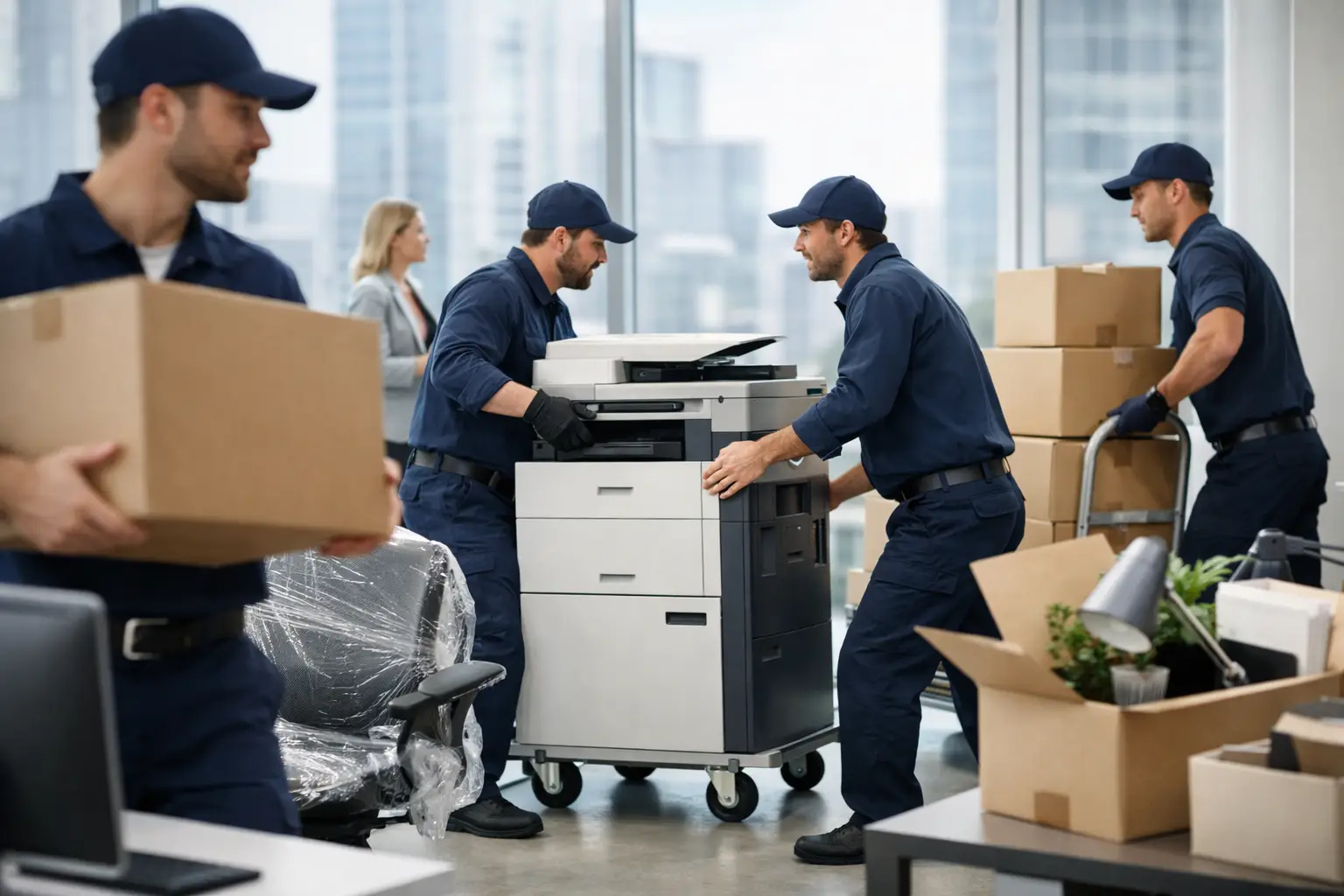
When an office move drags out, the cost is not just in trucks and labour. It shows up in missed calls, delayed projects, frustrated staff and a workday that never really gets back on track. That is why choosing the right office movers matters. A well-planned move keeps your business running, protects your equipment and gets your team settled faster.
Office relocations are different from home moves. There are more moving parts, tighter timelines and far less room for error. Desks, monitors, filing cabinets, meeting room furniture, stock, IT equipment and staff access all need to be considered at once. If the move is not organised properly, small problems quickly become expensive ones.
What good office movers actually do
Reliable office movers do more than load furniture into a truck. They help structure the move so your business can transition with less disruption. That starts with understanding what is being moved, when access is available, how many workstations are involved and what needs extra care.
A proper commercial move usually includes a clear scope, a moving schedule, furniture protection, loading and transport, and help with dismantling and reassembly where needed. For many businesses, packing and unpacking support also makes a major difference. It saves staff time and reduces the risk of damage to fragile or valuable items.
The best result comes from a team that knows how to work in active business environments. They understand lifts, loading zones, strata rules, building access windows and the pressure of working around business hours. That practical experience is often what separates a smooth move from a stressful one.
Why office movers need a different approach
An office move is not only about shifting furniture from one address to another. It is about protecting continuity. If your phones, computers, documents or customer-facing teams are offline for too long, the move starts affecting revenue and service.
That is why timing is everything. Some businesses can move after hours or over a weekend. Others need a staged relocation, with one department moved first and another left operating until the final handover. There is no single right method. It depends on your team size, building access, industry and how much downtime your business can absorb.
There is also the issue of equipment. A lounge suite is one thing. Monitors, printers, server equipment, cable setups and specialised office furniture are another. These items need careful packing, secure handling and a team that treats them as business-critical assets, not just more boxes on a trolley.
How to plan an office move without the usual chaos
The earlier planning starts, the better the move tends to go. That does not mean overcomplicating it. It means getting the basics right from the beginning.
Start with a realistic moving date and work backwards. Confirm access times at both sites, check whether lift bookings are required and identify any building rules that could affect loading or unloading. If your new office has limited parking or a narrow entry point, that should be known well before moving day.
Next, map out what is actually going. Many offices carry far more unwanted furniture, archived paperwork and unused equipment than expected. A move is a good chance to reduce clutter. Fewer items generally means a faster relocation, lower transport volume and a cleaner setup at the new site.
Labelling also matters more than people think. Boxes marked by team, room or function are far easier to place correctly on arrival. That saves time during unpacking and helps staff get back to work sooner. A simple labelling system can prevent hours of confusion later.
If desks or large furniture need to be dismantled, make sure that is factored into the plan. Some items can be moved intact, while others are safer to break down and reassemble. The right choice depends on access, size and how easily the furniture can be protected.
What businesses should look for in office movers
Price matters, but it should not be the only factor. Cheap quotes can become expensive if the team arrives underprepared, takes too long or handles items carelessly. For business relocations, reliability is usually worth more than a small saving on paper.
Look for office movers who communicate clearly and ask practical questions. They should want to know about your floor level, parking access, lifts, number of workstations, bulky furniture and any sensitive equipment. If a provider gives a fast quote without understanding the move, that is usually a sign the planning will be thin.
It also helps to choose a company that can support more than just transport. Packing, unpacking, dismantling, assembly and cleaning can all reduce pressure on your internal team. Instead of asking staff to juggle their normal workload with move-day tasks, you can hand over more of the process to one provider and keep your focus on the business itself.
That full-service approach is often what makes a commercial move feel manageable. It reduces the number of separate contractors involved and creates a clearer line of responsibility from start to finish.
Reducing downtime during an office relocation
Most businesses are not worried about the move itself. They are worried about the interruption. The goal is not simply to relocate. The goal is to get operational again as quickly as possible.
One way to reduce downtime is to schedule the move outside normal trading hours. Evening and weekend moves are common for this reason. Another option is a staged move, where core functions remain active while other parts of the office are relocated in sequence.
Packing ahead of time also makes a real difference. If staff are still clearing desks and sorting paperwork on moving day, delays are almost guaranteed. A prepared office moves faster, loads faster and unpacks with less confusion.
It is also worth assigning one internal contact person. This gives the moving team a clear point of communication for decisions on the day. Questions get answered faster, and the move keeps momentum.
The value of careful handling
In a commercial move, damaged items are more than an inconvenience. A broken monitor, scratched boardroom table or lost file can affect productivity straight away. That is why protective materials and careful loading are not extras. They are part of doing the job properly.
Furniture should be wrapped and secured to prevent damage in transit. Boxes should be stacked with their contents in mind, not simply packed to fill space. Equipment should be handled with a bit more patience than urgency, especially where there are cables, screens or delicate components involved.
This is where experienced movers earn their value. They know how to carry awkward items through tight corridors, manage loading docks efficiently and protect high-use office furniture from avoidable knocks and scrapes.
A better move starts with the right support
For small and medium-sized businesses, office relocations can feel larger than they look on paper. Even a modest workspace can involve dozens of desks, chairs, devices, storage units and boxed files. Add deadlines, staff coordination and building restrictions, and the pressure builds quickly.
That is why many businesses choose a removalist that can manage the moving process from end to end. With the right team, you do not need to chase separate providers for packing, transport, furniture assembly and final clean-up. You get one coordinated service designed to save time and lower stress.
At XXXperience Removals, that is exactly how we approach commercial moves. We focus on careful handling, practical planning and efficient execution so businesses can relocate with less disruption and more confidence.
A good office move should feel structured, not rushed. If your business is preparing to relocate, the best time to get organised is before the pressure kicks in. The right support can turn a disruptive job into a straightforward one, and help your team start fresh from day one in the new space.