
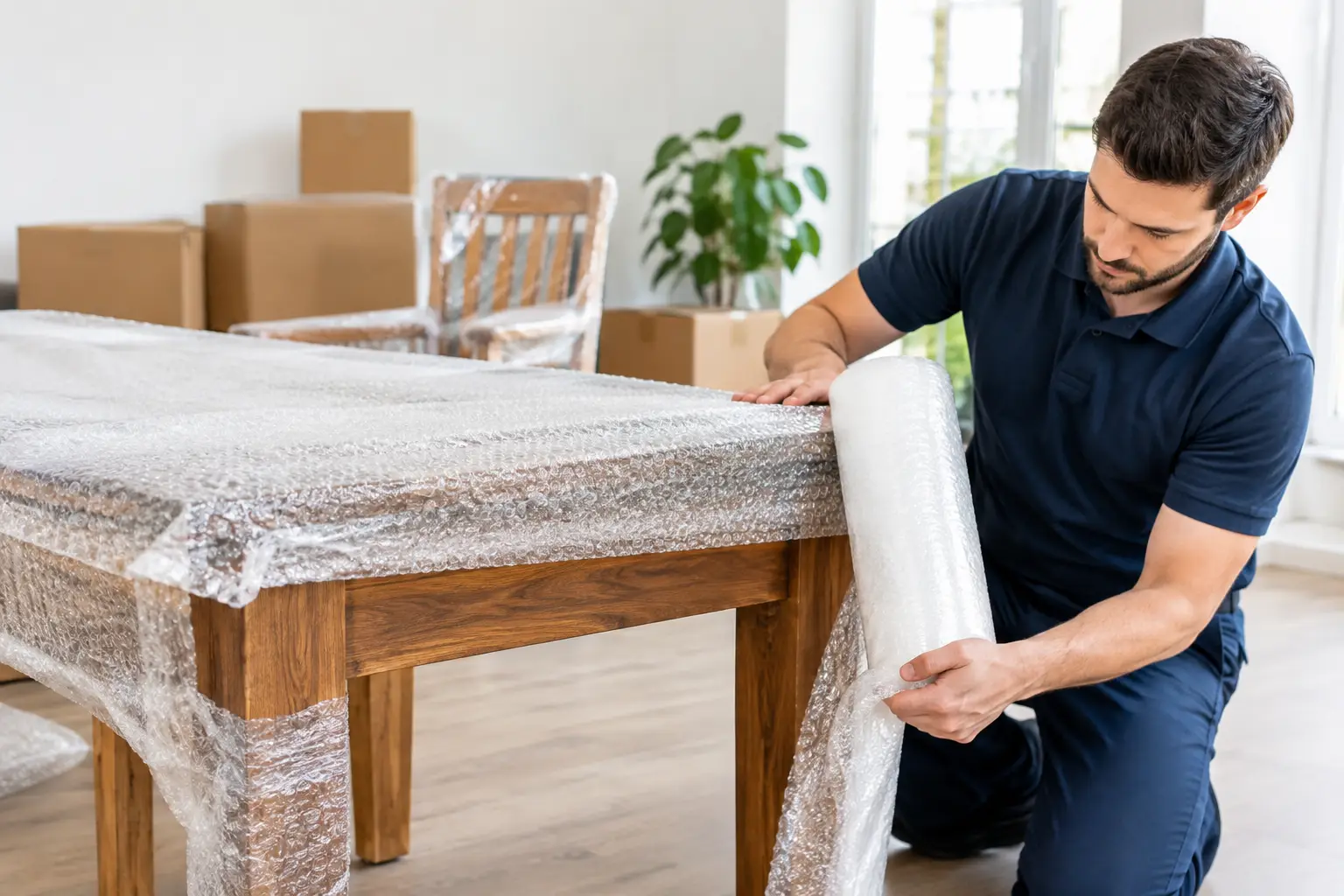
A timber dining table can take years to choose, pay for and enjoy – yet one poorly packed move can leave it with a deep scratch, chipped corner or water mark. Knowing how to protect wooden furniture before, during and after a move helps keep the pieces that make your house feel like home in excellent condition.
Wood is durable, but it is not indestructible. Changes in temperature, humidity, pressure and handling can affect surfaces, joints and finishes. The good news is that most moving damage is preventable with the right preparation, materials and lifting technique.
Start with the right protection for the timber
Not all wooden furniture needs the same treatment. A solid hardwood sideboard can handle more weight than a flat-pack bookcase, while a polished antique cabinet needs more care than a painted bedside table. Check for loose legs, cracked joints, existing scratches and unstable drawers before packing. Taking a few photos is also useful for keeping a record of the condition before the move.
Clean the furniture with a dry microfibre cloth first. Dust and grit trapped beneath wrapping can rub against the finish in transit, causing fine scratches. Avoid applying fresh furniture polish, oil or wax immediately before packing. These products may not cure properly under protective materials and can transfer onto blankets or other items.
If furniture will be stored or transported on a wet day, make moisture protection a priority. Timber can swell, warp or develop marks when it is exposed to water for too long. Plastic can be useful as an outer barrier in wet conditions, but it should not sit directly against timber for an extended period. Trapped condensation can do as much harm as rain.
How to protect wooden furniture with proper wrapping
The safest approach is to use breathable padding against the timber, then add a weather-resistant outer layer if required. Quality moving blankets or padded furniture covers give the best protection from knocks, rubbing and pressure. Secure them with packing tape around the blanket itself, never directly on the timber surface.
Tape can pull away paint, varnish or veneer when removed. It can also leave adhesive residue that is difficult to clean without affecting the finish. If you need to keep a drawer or door shut, use stretch wrap over a blanket or place a soft band around the piece. Do not wrap delicate timber furniture tightly enough to put pressure on handles, carvings or raised details.
Corner protectors are particularly worthwhile for tables, cabinets, desks and bed frames. Corners are usually the first point of contact when furniture is carried through doorways, loaded onto a truck or positioned near other items. Cardboard corner guards beneath a moving blanket add a simple extra layer of protection.
For fragile pieces, use this order:
- Clean and dry the surface thoroughly.
- Cover sharp corners and protruding edges with cardboard protection.
- Wrap the full item in a padded moving blanket or furniture cover.
- Secure the padding with straps, wrap or tape applied only to the protective layer.
- Add an outer waterproof cover only when weather exposure is likely, and remove it soon after arrival.
Dismantle what you can safely dismantle
Large timber furniture is easier to protect when it is taken apart. Removing table legs, bed frames, shelves and detachable handles can reduce the chance of breakage and make tight access points far more manageable. It also allows each component to be wrapped properly instead of forcing an oversized item through a narrow hallway or stairwell.
Keep screws, bolts and fittings in labelled bags, then tape the bag to the underside of the relevant furniture using painter’s tape over a protective barrier. Never place loose hardware inside drawers, where it can roll around and scratch the interior or become lost.
There is a trade-off. Repeated dismantling can weaken old joints, particularly on antique furniture or pieces repaired with glue. If an item is delicate, custom-made or already unstable, it may be safer to move it intact with experienced handlers rather than taking it apart. For these pieces, planning the access route is essential.
Protect drawers, doors and internal contents
Empty drawers before moving most wooden furniture. Full drawers add weight, strain runners and make a chest or cabinet harder to control. They can also slide open unexpectedly while being carried. Pack the contents separately, especially heavy items such as books, tools and kitchenware.
Light, non-breakable clothing can sometimes remain in sturdy built-in drawers, but only if the furniture is designed to be moved with drawers in place and the drawers can be secured without tape touching the finish. When in doubt, empty them. A lighter piece is safer for both the furniture and the people moving it.
Glass panels, mirrors and removable shelves need separate protection. Remove them where possible, wrap them in appropriate materials and clearly identify them as fragile. Leaving a loose shelf inside a timber cabinet is a common cause of internal damage during transport.
Plan the path from room to truck
Protection is not just about what goes around the furniture. It is also about the route it travels. Measure large pieces and compare them with doorways, lifts, stairwells, gates and tight corners before moving day. A table that fits through the front door may still not clear a sharp turn in the hallway.
Clear rugs, boxes, shoes and other trip hazards from the path. Protect door frames, walls and bannisters where space is limited. If rain is expected, organise a covered route as much as possible and have dry blankets ready. Leaving a timber piece on a wet driveway or nature strip, even briefly, creates unnecessary risk.
Use furniture dollies for heavy cabinets and sideboards where practical. Lift from the strongest structural points, not from handles, decorative trims or drawers. Keep the item upright unless its construction allows otherwise. Some veneers, doors and drawer mechanisms can be affected if furniture is tipped or laid flat.
Load wooden furniture securely in the truck
Inside the truck, wooden furniture should be positioned upright and secured so it cannot shift. Heavy items belong low and close to the truck walls, with padded layers between each piece. Never stack boxes directly on a polished tabletop or the top of a cabinet unless the item is designed to support that weight and is fully protected.
Furniture can be damaged even on a short Sydney move if it rubs against another item every time the vehicle brakes or turns. Straps, moving blankets and careful load planning prevent this. Avoid placing timber beside items with exposed metal edges, sharp legs or rough surfaces.
Climate also matters for interstate moves and long storage periods. Extreme heat, damp conditions and rapid temperature changes may cause timber to expand or contract. If furniture is going into storage, choose a dry, clean space and keep it raised slightly from the floor on pallets or protective blocks. Leave enough airflow around each item rather than packing the space wall to wall.
Set up carefully at the new home
The job is not finished when the truck arrives. Bring furniture inside before removing weather covers, then allow it to adjust gradually to the indoor environment. This is especially helpful after a long trip or a move between areas with noticeably different temperatures and humidity.
Place timber furniture away from direct sunlight, heating vents, fireplaces and damp external walls where possible. Constant sun can fade finishes, while heat and dry air can contribute to splitting over time. Use felt pads beneath legs before sliding furniture into position. Dragging a heavy table or cabinet across timber, vinyl or tiled flooring can damage both the furniture and the floor.
Once everything is in place, inspect each item before discarding packing materials. Check corners, legs, handles, drawers and surfaces in good light. Early inspection makes it easier to identify an issue and keep protective materials on hand while you settle in.
Moving valuable timber pieces does not need to be stressful. Careful packing, secure transport and a team that understands furniture protection make a real difference. XXXperience Removals can handle the practical work so you can focus on making your new place feel settled.