
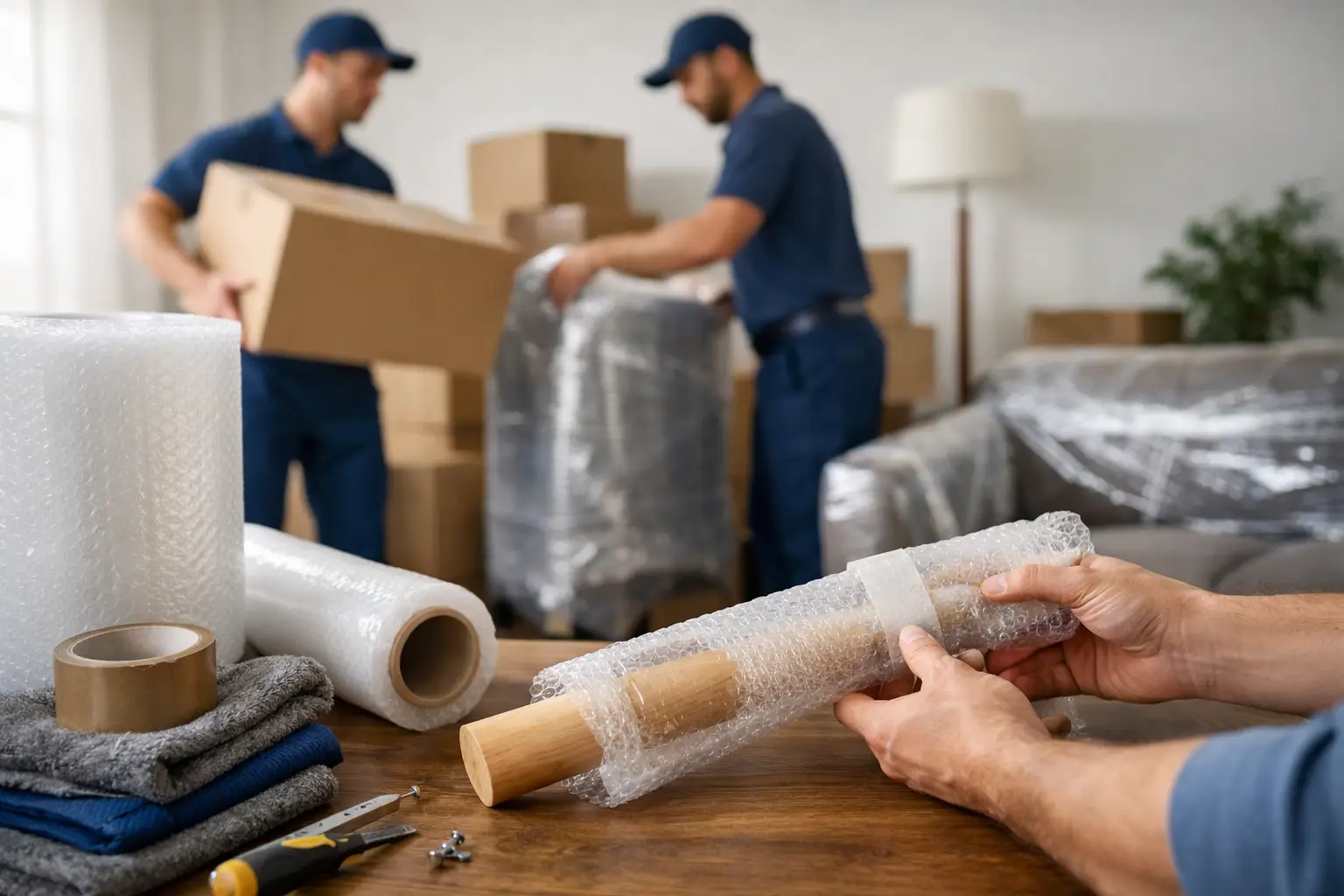
A move can slow down fast when the furniture is not ready. Drawers are still full, bed frames are half dismantled, and fragile surfaces are left exposed. If you are wondering how to prepare furniture for movers, the good news is that a few practical steps can save time on moving day and help protect your belongings from avoidable damage.
The goal is simple. Make every item safer to handle, easier to carry and quicker to load. Whether you are moving from a Sydney unit, a family home on the Northern Beaches or a small office, good preparation helps the whole job run more smoothly.
Why furniture prep matters before moving day
Furniture is often the hardest part of any move. It is bulky, awkward to manoeuvre and more vulnerable than many people expect. A table leg can loosen in transit. A glass panel can crack under pressure. A chest of drawers can become much heavier than it looks when it is still packed full.
Proper preparation reduces those risks. It also helps your movers work efficiently, which matters if you are on a tight schedule, moving through an apartment lift booking or trying to keep business downtime to a minimum. In many cases, better prep also means a faster move and fewer last-minute decisions when the truck is outside.
How to prepare furniture for movers step by step
Start with a room-by-room review. Look at each item and decide whether it should be moved as is, emptied, dismantled or specially wrapped. Not every piece needs the same treatment. A solid timber sideboard may travel well with minimal disassembly, while a large modular desk usually needs to come apart before moving.
If you have furniture you no longer want, deal with that early. There is no point paying to move pieces that will not fit your new space or are already on their way out. Sorting this before packing day saves effort and keeps the move more organised.
Empty drawers and shelves
Most furniture should be emptied before the movers arrive. This applies to wardrobes, bedside tables, buffets, bookshelves and office storage. Extra contents add weight and can make items unstable when lifted. Loose belongings can also shift during transport and cause internal or surface damage.
There are exceptions. Some light clothing may be left in sturdy drawers if your movers confirm it is safe, but it depends on the furniture itself, the access conditions and the distance of the move. As a rule, heavier items such as books, electronics, kitchenware and files should always come out.
Clean furniture before the move
Furniture does not need a full detailing job, but a quick clean is worth doing. Dust, grit and crumbs can scratch surfaces when wrapping materials are applied or when items rub during transport. Cleaning also gives you a chance to inspect each piece properly for existing marks, loose parts or weak spots.
This is especially useful for upholstered items, dining tables, bed heads and white furniture where marks show easily. If anything is already damaged, take a quick photo before the move so you have a clear record.
Dismantle larger items where needed
Beds, large dining tables, desks, entertainment units and some outdoor settings are often safer to move in sections. Dismantling reduces the chance of frames twisting in hallways, stairwells or truck loading. It can also make the move faster when dealing with tighter spaces, which is common in units and terraces.
That said, do not dismantle everything automatically. Some flat-pack furniture becomes weaker each time it is taken apart. If a piece feels fragile or has been assembled for years, it may be better handled by professionals who can assess the safest option.
When dismantling, keep screws, bolts and brackets together in labelled snap-lock bags. Tape the bag securely to the underside or back of the furniture if the surface allows it without damage, or keep all hardware in one clearly marked box. Missing fixings are a common frustration at the other end of the move.
Protect delicate surfaces and corners
This is where proper prep makes a big difference. Glass, marble, mirrors, polished timber, stone tops and high-gloss finishes need extra care. Corners and edges are the first points to get knocked, especially when moving through doorways, lifts and narrow passages.
Use moving blankets, furniture pads, bubble wrap or other protective materials suited to the surface. Avoid wrapping polished timber directly with anything that could trap moisture or leave marks if it sits for too long. For glass components, remove them if possible and pack them separately.
If furniture has detachable shelves, glass inserts or loose decorative panels, take them out and wrap them on their own. Do not assume they will stay secure during transport just because they fit snugly in place.
Preparing specific furniture types
Some items need a bit more thought than others. Knowing where the risks are helps you avoid damage and delays.
Sofas and lounges
Remove cushions and pack them separately if practical. This makes the sofa lighter and easier to carry. If the lounge has detachable legs, take them off and bag the fittings. Cover the sofa to protect against dirt, scuffs and fabric snags, especially if it is going through shared building access or being stored temporarily.
Beds and mattresses
Strip the bed completely before moving day. Bed frames usually need to be dismantled, particularly king and queen sizes. Slats, legs and side rails should be bundled together and labelled clearly.
Mattresses should go into a clean protective cover. This matters even more in wet weather or during a longer interstate move. A mattress dragged unprotected through corridors or loaded against dusty items can be difficult to clean properly afterwards.
Tables and chairs
Dining tables, coffee tables and desks should be emptied and checked for removable parts. If legs can be taken off safely, do it. Wrap the top carefully, with extra attention to corners.
Chairs are usually straightforward, but stackable chairs should still be protected to avoid rubbing and frame scratches. For office chairs, secure or remove wheels if needed and tape moving parts in place if they tend to shift.
Wardrobes and tallboys
These can become unstable quickly if they are left full. Empty them fully and remove any loose shelves. If doors swing open easily, secure them before transport. Drawers may need to be removed in some cases, depending on the design and weight.
Tall furniture also needs clear handling paths. If you know access is tight in your current or new property, measure ahead of time so there are no surprises on moving day.
Do not forget access and logistics
Furniture prep is not only about wrapping and dismantling. Access matters just as much. Measure large items against doorways, lifts, stairwells and narrow hallways. If something barely came in, it may not go out the same way without planning.
Clear pathways inside the home or office before the movers arrive. Remove rugs that slip, pot plants that block access and small items that can become trip hazards. If you live in an apartment, confirm lift access and any booking requirements in advance. If you are moving an office, make sure desks, filing units and meeting room furniture are labelled by area so unloading is faster and more organised.
What to leave to professional movers
You can do a lot yourself, but not every furniture item should be handled as a DIY job. Heavy marble tables, antique cabinets, oversized lounges, commercial fit-out pieces and awkward bed frames often need experienced handling and proper protective materials.
This is where a full-service team can make a real difference. Professional movers can dismantle and reassemble furniture, wrap delicate pieces properly and manage loading in a way that protects both your items and your property. For many households and businesses, that support takes a major amount of pressure out of the move.
If you are short on time, have valuable furniture or simply want the process handled properly from start to finish, working with an experienced removals team like XXXperience Removals can help keep the move efficient and far less stressful.
Common mistakes that cause damage
Most furniture damage during a move comes from rushed preparation. Leaving drawers full, forgetting to bag hardware, not protecting corners and underestimating how tight access will be are all common issues. Another mistake is using the wrong materials. Old sheets and thin cardboard can help with dust, but they do not offer much protection against knocks.
It also helps to avoid overhandling. If you wrap, unwrap, dismantle and restack furniture multiple times before the truck is loaded, you increase the chance of scratches and missing parts. A simple, organised plan is usually safer than trying to improvise on the day.
When your furniture is properly prepared, everything else gets easier. The movers can work faster, your belongings are better protected, and you spend less time dealing with avoidable problems at the new place. A little preparation now can make the whole move feel far more manageable.