
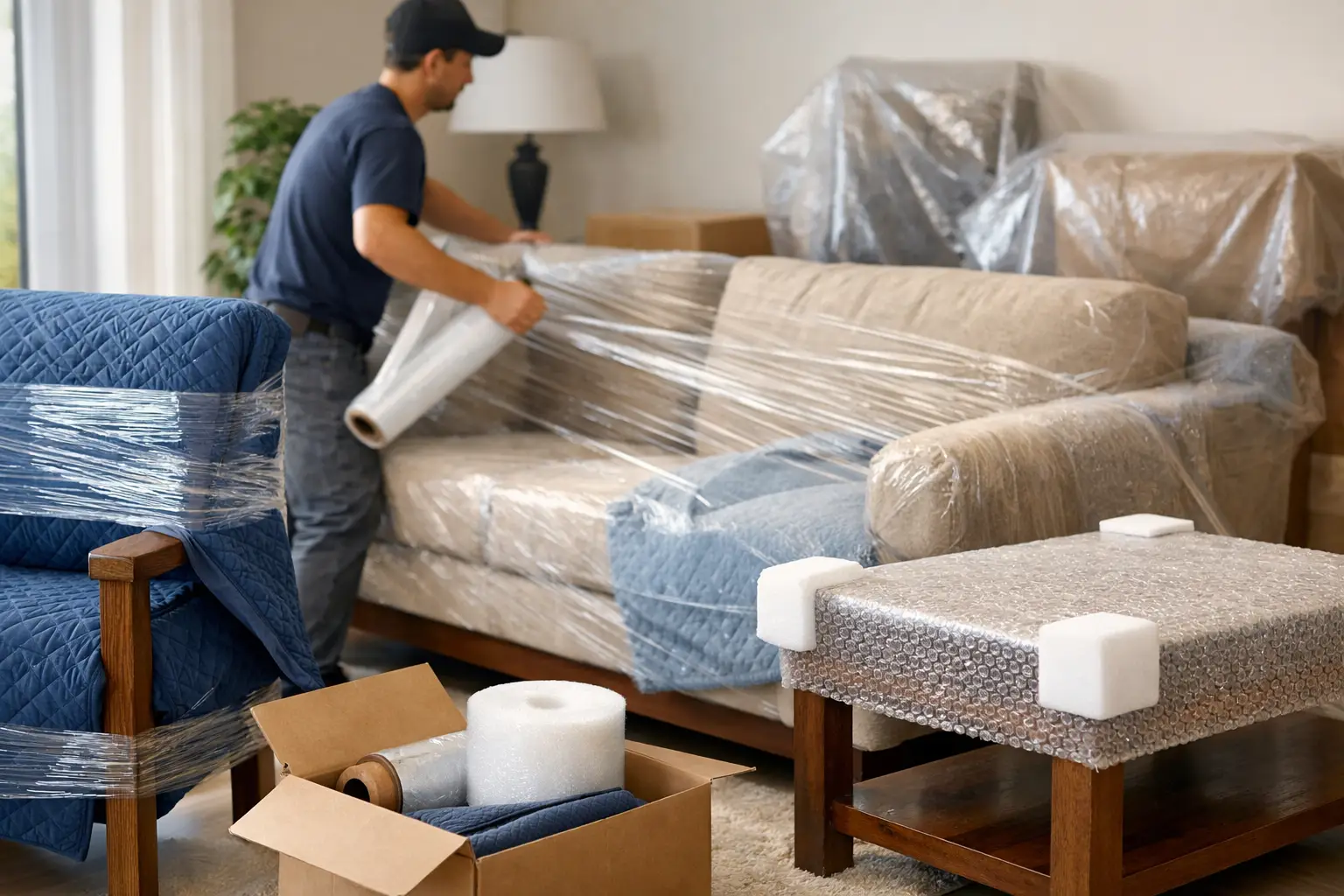
A sofa scraped on a door frame or a dining table corner chipped in the truck can turn a straightforward move into an expensive headache. That is why furniture protection for moving matters from the moment the first box is packed, not just when the heavy lifting starts.
Good protection is not about wrapping everything in layers and hoping for the best. It is about using the right materials, handling each item properly and planning the move so furniture is protected at every stage – packing, carrying, loading, transport and unpacking. When done properly, you reduce damage, save time and avoid the stress of replacing or repairing pieces you use every day.
Why furniture protection for moving matters
Furniture often takes the biggest hit during a move because it is bulky, awkward and used heavily before moving day even begins. Chairs get stacked, bed frames are dismantled, drawers are pulled out and coffee tables are shifted from room to room. Every touchpoint creates a chance for scratches, dents, scuffs or loose parts.
The risk goes up in apartment buildings, tight terraces, office fit-outs and homes with narrow hallways or stairs. Even a short local move across Sydney can be rough on furniture if the access is tricky or the vehicle is loaded poorly. On interstate moves, protection becomes even more important because your items spend longer in transit and may be handled more than once.
That is where a professional approach makes a real difference. Proper padding, secure loading and careful handling protect both your furniture and your property. It also helps the job run faster because the team is not stopping to fix unstable loads or work around badly packed items.
What needs protection the most
Not every piece of furniture needs the same level of care. Some items are more vulnerable because of their finish, material or shape.
Timber furniture is a common one. Dining tables, bed heads, buffets and sideboards can scratch easily, especially if they have polished or painted surfaces. Glass-topped items need extra attention because one knock at the wrong angle can cause cracks or shattering. Sofas and fabric bed heads can pick up dirt, tears or moisture if they are not covered properly. Mattresses also need protection, especially if they are moving through lifts, common areas or wet weather.
Flat-pack furniture can be another weak point. It may look easy to move, but repeated lifting can loosen joints and fasteners. Office furniture has its own issues too. Desks, storage units and boardroom tables often have sharp edges, laminate finishes and parts that should be dismantled before transport.
The key is to assess each item based on size, weight, material and condition. New or delicate furniture usually needs more thorough wrapping. Older pieces may already have weak joints or wear that should be handled carefully.
The right materials make a big difference
Furniture protection works best when materials match the item. Premium moving blankets are one of the most reliable options because they cushion surfaces and reduce impact during carrying and transport. They are especially useful for timber, metal frames and larger pieces with exposed corners.
Stretch wrap helps hold blankets in place and keeps drawers and doors from swinging open. It is useful, but it should not sit directly on some delicate finishes for long periods, especially in heat, because it can mark surfaces. Bubble wrap can help on fragile sections, but it is better for targeted protection than for wrapping an entire sofa or dining set.
Cardboard corner protectors are handy for table edges, framed pieces and cabinets. Mattress bags protect against dust, marks and moisture. For glass shelves, mirrors or removable panels, strong wrapping with clear labelling is essential.
Cheap materials often cost more in the end. Thin covers tear easily. Loose tape jobs fail during lifting. Poor-quality wrapping also slows the move down because items need to be re-secured. Using proper moving materials from the start keeps everything tighter, cleaner and safer.
How to protect furniture before moving day
The best moves start before the truck arrives. A little preparation makes the protection process faster and reduces risk.
Begin by emptying drawers, cupboards and shelves. It is tempting to leave lightweight items inside, but added weight puts stress on the frame and can cause drawers to slide or warp. Remove loose shelves, detachable legs and glass pieces where possible. Keep screws, bolts and fittings together in labelled bags so reassembly is straightforward.
Clean and dry furniture before wrapping it. Dust and grit trapped under covers can scratch surfaces during transport. Moisture is another issue, especially for fabric and timber. If something is packed while damp, it can develop odours or marks.
Take note of any existing damage as well. This is useful for your own records and helps set expectations if a piece is already fragile. If there are access issues at either property, such as narrow stairs, low lifts or limited parking, plan for them early. Protection is not just about the item itself – it is also about the path it travels.
Safe handling matters as much as wrapping
Even well-wrapped furniture can be damaged by poor lifting or loading. Protection only works when the handling matches the packing.
Large pieces should be carried in a way that keeps them balanced and off walls, doors and handrails. Sofas are often best moved upright when access is tight, but that depends on the shape and whether the frame can handle the angle. Tables should never be lifted by the legs alone. Mattresses bend more than people expect, but folding them too far can damage the internal structure.
Loading the truck is where many problems start. Heavy items need a secure base. Delicate pieces should not be trapped under shifting loads. Blankets and straps should be used to stop movement inside the vehicle, not just to cover items. A badly loaded truck can undo all the careful wrapping in the world.
This is one reason many people choose a full-service mover. Experienced teams know how to dismantle, protect, lift, stack and secure furniture efficiently. It saves time and takes a lot of pressure off moving day.
When DIY works and when it does not
Some smaller moves can be managed yourself, especially if you are only relocating a few sturdy items a short distance. If you have the right vehicle, proper materials and enough help, DIY can be workable.
But there are trade-offs. Hiring blankets, buying wrap, arranging lifting help and working around building access can quickly become more complicated than expected. The risk is higher when you are moving valuable furniture, dealing with stairs or relocating interstate. One damaged table, torn sofa arm or cracked bed frame can wipe out any savings.
For busy households and businesses, time is another factor. Packing and protecting furniture properly takes longer than most people plan for. If you are trying to juggle work, family and settlement deadlines, professional support often gives better value than doing it all yourself.
Choosing a mover that takes protection seriously
If furniture care is a priority, ask direct questions before booking. A reliable mover should be able to explain what protective materials they use, whether they offer dismantling and reassembly, and how they secure furniture in transit. Clear communication matters. So does experience with the type of move you are doing, whether that is a local unit move, a larger family home or an office relocation.
It also helps to choose a team that can handle more than just transport. Packing, unpacking and furniture assembly all affect how well your items are protected. A full-service move keeps the process more controlled because fewer things are left to chance.
At XXXperience Removals, that practical, end-to-end support is a big part of making moving easier. When one team manages the protection, transport and setup, there is less room for damage, delays or confusion.
Small details that prevent big damage
A lot of furniture damage happens through small oversights. A table not padded underneath. A drawer left full. A couch brushed past a rendered wall. A wet driveway tracked onto a mattress bag. These are the details that matter on moving day.
Good furniture protection for moving is really about control. Control over materials, handling, timing and logistics. The more organised the move, the lower the risk.
If you are planning a move soon, treat furniture protection as part of the job, not an afterthought. A few smart decisions early can save a lot of money, time and frustration later – and help your furniture arrive ready to use in your new place.