
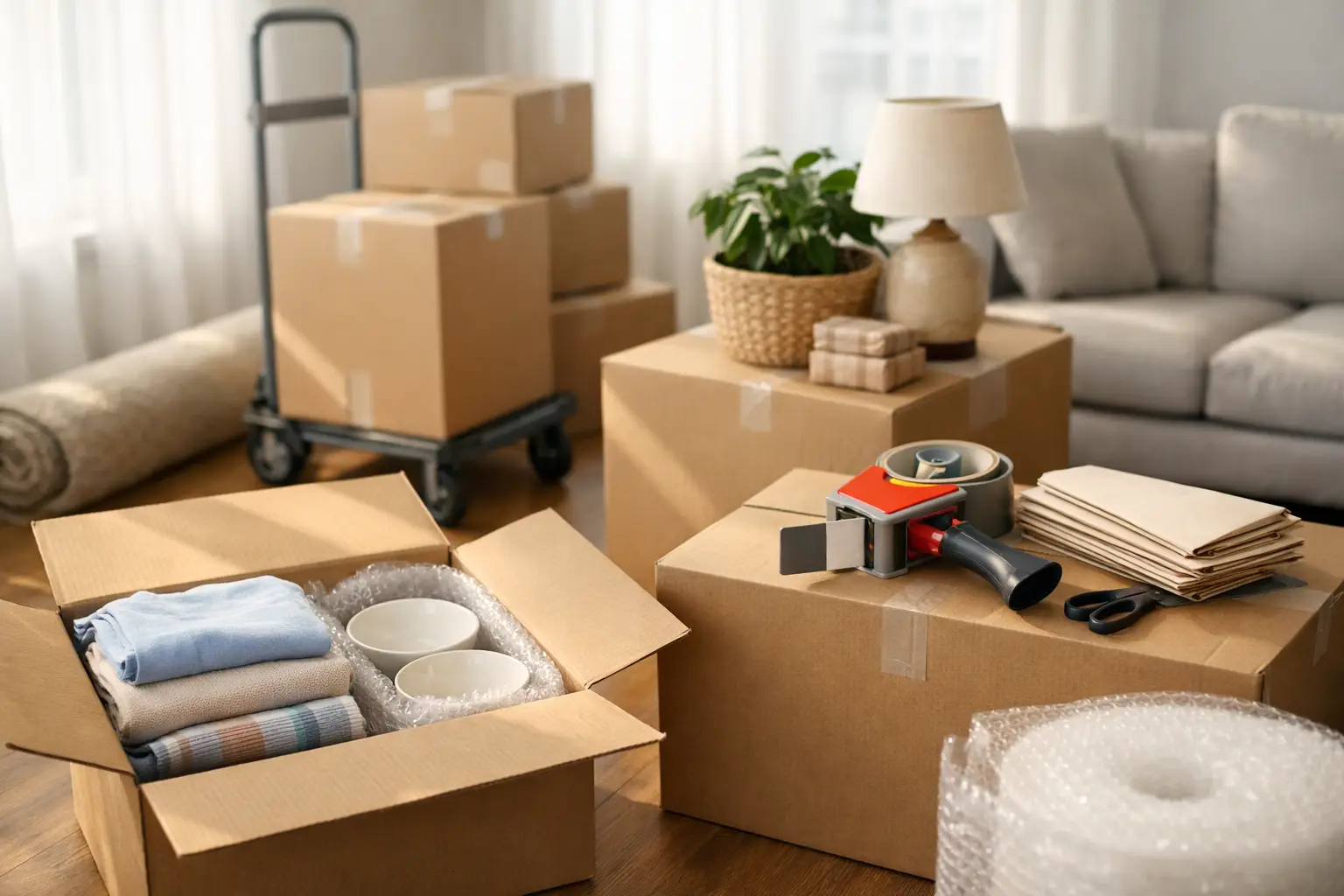
The night before a move is when poor packing choices show up fast. Boxes split. Chargers disappear. Plates knock together. The best way to pack for a move is not to pack faster – it is to pack in a way that keeps your home, your schedule and your belongings under control from day one.
If you want moving day to feel simpler, packing needs a plan. That does not mean turning your house into a warehouse for weeks. It means knowing what to pack first, what to leave until last, and how to protect the items that matter most. A good packing process saves time, reduces breakages and makes unpacking far less painful.
What is the best way to pack for a move?
Start early, pack by zone, use the right materials and label with purpose. That is the short answer. The longer answer is that every move has trade-offs.
A small apartment move across Sydney is different from a large family home heading interstate. An office relocation has different pressure points again. But in almost every case, the best results come from doing three things well: decluttering before you pack, protecting items properly, and keeping each box easy to identify and easy to lift.
People often lose time by packing whatever is in front of them. That creates mixed boxes, weak labels and confusion at the other end. A more practical approach is to work room by room and keep categories together. Kitchen with kitchen. Linen with linen. Cables with the devices they belong to. It sounds simple because it is. Simple systems work best when the day gets busy.
Start with less, not more
The best way to pack for a move starts before the first box is taped. If you pack things you no longer use, you are paying in time, effort and truck space for items you do not actually want in your next home.
Be firm here. Clothes that have not been worn in years, duplicate kitchenware, damaged toys, old paperwork and unused small appliances are common space fillers. The less you move, the easier the move becomes. This matters even more for interstate relocations, where volume has a direct impact on cost and logistics.
For families, this stage can feel slow because every room has a backlog of things. Still, it is worth doing. Even one focused afternoon per zone can lighten the load. For offices, the same rule applies. Archive what must be kept, shred what can go, and avoid boxing outdated equipment that will only take up room in the new space.
Use the right packing materials
Cheap boxes and random bags can create expensive problems. If a box collapses under books or a glass item shifts because there was not enough cushioning, the savings disappear quickly.
Strong moving boxes in a few standard sizes are easier to stack and safer to carry. But size matters. Heavy items belong in smaller boxes. Lighter, bulky items can go into larger ones. This is one of the most overlooked parts of efficient packing. A large box full of books is not practical for anyone lifting it.
You also want quality tape, packing paper, bubble wrap for fragile items, mattress protection and furniture blankets where needed. Clothing can often stay on hangers and move in wardrobe cartons or protected garment bags. Electronics need more care, especially screens, computers and anything with delicate components.
There is a balance here. Not every mug needs layers of wrapping, but anything fragile, valuable or awkwardly shaped deserves proper protection. Packing materials are there to absorb pressure, stop movement and reduce friction during loading, transport and unloading.
Pack by room and label for the real world
A label that says Misc is not helpful when you are standing in a new home looking for the kettle. Good labels save time at both ends of the move.
Write the room clearly on every box and add a short description of what is inside. Kitchen – plates and bowls. Main bedroom – winter clothes. Study – monitor cables and files. If a box contains fragile items, mark that clearly on more than one side.
It also helps to number boxes if your move is larger. This gives you a quick way to check that everything has arrived. For busy households, a simple colour system by room can make unloading faster. It is not essential for every move, but it can be useful when there are many boxes and several people involved.
What matters most is consistency. Pack one room at a time and label every box before it leaves the room. If you wait until later, details get missed.
How to pack fragile, valuable and awkward items
Fragile items need more than a Fragile sticker. They need the right internal packing so they cannot shift inside the box.
For crockery and glassware, wrap items individually and use packing paper to fill empty spaces. Plates are generally safer packed vertically rather than flat. Glasses should be cushioned well around the base and rim. Do not leave movement inside the carton.
Artwork, mirrors and televisions need extra care because they are large, rigid and easy to damage at the edges. Purpose-made cartons or padded wrapping are the safer option. The same goes for lamps, vases and decorative items with protruding parts.
Jewellery, documents, passports, medications and sentimental valuables should stay with you rather than go into the moving truck if possible. The issue here is not just damage. It is access and peace of mind. You do not want to be opening ten boxes to find a charger, a script or an important file.
Furniture is where many people underestimate the job. Drawers may need to be emptied depending on the piece, and loose parts should be bagged, labelled and kept together. If a bed frame, dining table or desk is being dismantled, keep screws and fittings attached in a sealed bag so reassembly is straightforward.
Pack an essentials box and a last-on, first-off load
One of the smartest packing decisions is separating what you need immediately from everything else. This is especially important if you are arriving late, moving with children, or managing an interstate schedule.
Your essentials box should cover the first 24 hours. Think toiletries, chargers, medications, toilet paper, basic cleaning supplies, a kettle, tea or coffee, snacks, a change of clothes and bedding. For families, include school items, comfort items and anything that helps keep the routine steady.
Then think about loading order. The items you will need first should be packed last so they come off first. This might include everyday kitchen basics, work gear, pet supplies or tools for quick furniture assembly. Good packing is not just about fitting things into boxes. It is about making arrival easier.
When DIY packing works – and when it does not
Some moves suit self-packing. If you are moving a short distance, have a modest amount of furniture and can spread the job over time, doing it yourself can be manageable.
But there are cases where professional packing makes more sense. Larger homes, tight timelines, fragile collections, office relocations and interstate moves all come with more risk if packing is rushed or inconsistent. Professional packers work with systems, materials and experience that most households simply do not have on hand.
That does not mean every move needs full packing service. Sometimes a partial service is the better fit. You might pack clothes and books yourself, then leave the kitchen, glassware, artwork and large furniture preparation to a trained team. That kind of support reduces stress without turning the move into a bigger project than it needs to be.
For customers who want the process handled properly from start to finish, XXXperience Removals can take care of packing, transport and setup with the same focus on care, speed and reliability.
Common packing mistakes that cause delays
Most moving day issues start earlier than people think. Overfilled boxes are a frequent problem. So are underfilled boxes that crush when stacked. Another common mistake is failing to seal cartons properly at the bottom before adding weight.
Loose items packed in drawers, cords left tangled, hardware left unlabelled and random items mixed across rooms all slow things down later. The same goes for leaving packing too late. When the final hours become a rush, people stop labelling properly and protection standards drop.
A better approach is steady progress. Pack non-essentials first. Keep daily-use items until the end. Review each room before calling it done.
Moving does not need to feel chaotic. The best way to pack for a move is to make each decision easier before the truck arrives. Pack with a clear system, protect what matters, and keep the first day in your new place simple. That is how you turn a stressful move into a manageable one.