
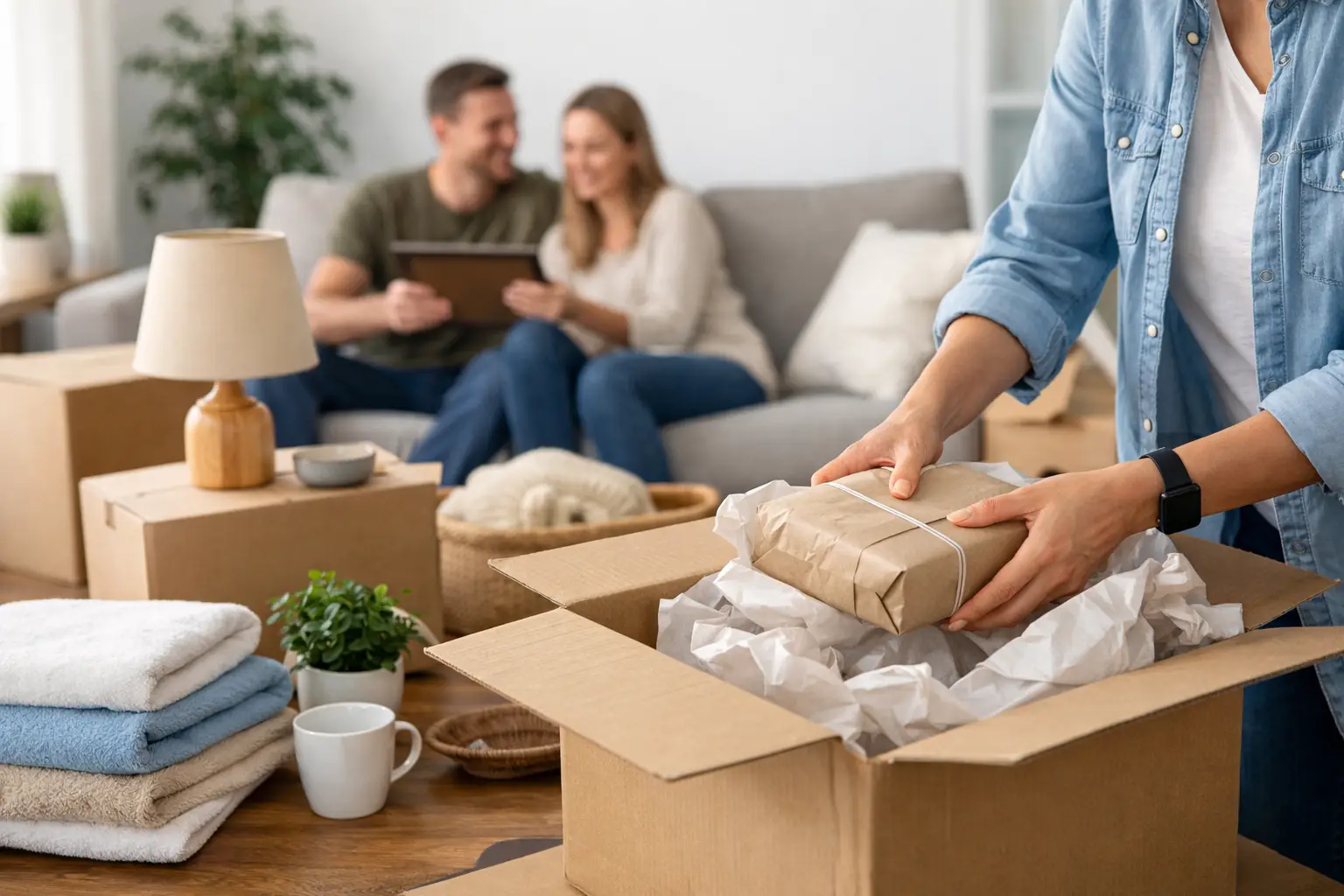
The boxes have arrived, the removal truck has left and the new place is finally yours. That is often when the second half of the move begins. Knowing how to unpack after moving helps turn a house full of cartons into a comfortable, functioning home without exhausting yourself in the first few days.
The goal is not to empty every box immediately. It is to set up the spaces you need most, protect your energy and make sensible decisions before clutter becomes part of the new home. A clear order of work will get you settled faster and make the process far less stressful.
How to unpack after moving: start with a simple plan
Before opening cartons, take 15 minutes to walk through the home. Check that furniture is in the right rooms, appliances are accessible and essential services are working. If something has been placed in the wrong room, move it now while the space is still clear. It is much easier than shifting a heavy bookcase once boxes are stacked around it.
Then choose one area as your temporary box zone. A spare room, garage or one side of the living room can hold cartons that are not needed straight away. This keeps hallways, entryways and bedrooms clear, which matters for both safety and peace of mind.
Resist the urge to unpack according to whichever box is closest. Work by priority instead. Your first aim is to make the home liveable. The decorative pieces, books and occasional-use kitchenware can wait.
Check for damage before disposing of cartons
Before cutting down boxes or throwing away packing materials, inspect furniture and fragile items. Photograph any damage and keep the relevant packaging until you have recorded what happened. This is particularly useful for interstate moves, where items may have travelled a long distance.
Once everything is checked, flatten cartons as you go rather than letting them pile up. Keep a small amount of clean packing material if you expect to return borrowed items, store seasonal belongings or make another move soon. Recycle the rest responsibly when possible.
Unpack your essentials first
An essentials box should contain the items that make the first night and first morning manageable. If you packed one, open it before anything else. If you did not, locate these items among the labelled cartons as soon as possible.
Prioritise bedding, towels, toiletries, medications, mobile chargers, basic cleaning supplies, toilet paper, a kettle or coffee maker, mugs, plates, cutlery and a few pantry basics. Families should also find children’s comfort items, school essentials and pet supplies early. A familiar toy, blanket or food bowl can make a big difference after a long day.
Make the beds before you unpack the rest of the bedroom. It may feel like a small task, but it gives everyone a proper place to rest when energy runs low. Moving day is physical work, and a good night’s sleep makes the following day much easier.
Set up the kitchen for everyday meals
The kitchen is usually the most time-consuming room to unpack because it contains many small items. It is also one of the most useful rooms to complete early. You do not need every serving platter and baking tray put away on day one. You need enough equipment to prepare simple meals and clean up afterwards.
Start by wiping cupboards, drawers and benchtops, especially if the property has been vacant. Then unpack the items you use every day: plates, bowls, glasses, mugs, cutlery, saucepans, a frying pan, cooking utensils and a sharp knife. Put frequently used items close to the bench or cooktop, where they are easy to reach.
Take a moment to consider the kitchen layout rather than copying the arrangement from your previous home. A different cupboard position may call for a different system. Store heavier pots in lower cupboards, keep cleaning products safely out of reach of children and avoid overfilling drawers before you know what fits comfortably.
If unpacking will take several days, plan easy meals. Sandwiches, salads, takeaway or simple pasta are completely reasonable while your kitchen finds its rhythm. There is no prize for creating a perfect pantry on the first evening.
Make bathrooms and bedrooms feel settled
After the kitchen, focus on bathrooms and bedrooms. These rooms give the household privacy, routine and a sense of normality.
In the bathroom, put out fresh towels, toiletries, soap, toilet paper and a bath mat. Check where you will keep daily items before unpacking every spare bottle and beauty product. A small basket or drawer organiser can prevent the vanity from becoming cluttered straight away.
For bedrooms, assemble beds and unpack enough clothes for the week. Hanging everyday clothing first will reduce creasing and help you feel ready for work, school or appointments. Seasonal clothes, extra linen and accessories can stay boxed until the main furniture is arranged.
Children may settle more quickly if their room is unpacked soon after the basics are done. Let them choose where a few familiar items go, such as books, toys or a night light. It gives them a small sense of control in an unfamiliar environment.
Unpack living areas one room at a time
Once the household can sleep, wash, eat and get dressed, move to the living areas. This is where people often lose momentum by opening too many boxes at once. Choose one room, complete the main tasks, then move on.
Begin with the furniture layout. Place the sofa, dining table, television unit and key storage pieces before unpacking smaller items. Check power point access, natural light and walking paths. In apartments and smaller Sydney homes, clear circulation space is particularly valuable. A room can feel much larger when furniture is positioned thoughtfully.
Next, unpack the essentials for how you actually use the room. That may be the television, internet equipment, lamps, a work-from-home setup or children’s play items. Decorative objects should come last. They are the finishing touch, not the foundation of a comfortable home.
Do not rush the study or home office
If you work remotely, a basic home office may need to move up your priority list. Set up your desk, chair, laptop, monitor, chargers and important documents early so work does not become another moving-day problem.
However, avoid permanently filing every document before you know how the room will function. Use a labelled temporary box for paperwork, then create a proper filing system when the rest of the space is organised. This reduces the chance of losing important records among miscellaneous cartons.
Deal with boxes that do not have an obvious home
Most moves include a group of boxes labelled “miscellaneous”, “storage” or simply “bedroom”. These are the cartons that can linger for months if you do not handle them deliberately.
Set aside a specific session to open them, preferably after the essential rooms are complete. Sort their contents into three clear groups: keep and put away, donate or sell, and dispose of. Moving is one of the best opportunities to notice what no longer suits your home or lifestyle.
Be realistic about storage. If an item has not been used for years and has no genuine purpose in the new home, keeping it simply because it survived the move can create clutter from day one. On the other hand, do not make rushed decisions about sentimental belongings when you are tired. Put those items aside and review them later.
Keep the pace manageable
A practical unpacking schedule depends on the size of your move, the number of people in the household and whether you are balancing work or school commitments. For a small apartment, you may be mostly settled in a weekend. A larger family home can take a week or more, and that is normal.
Aim for focused blocks of work rather than an all-day push. Two or three hours of unpacking, followed by a meal and a proper break, is often more productive than working until everyone is overwhelmed. Give each session a clear target, such as finishing the kitchen drawers or setting up one child’s bedroom.
If the volume of boxes feels too much, professional unpacking can be a practical option. XXXperience Removals can assist with unpacking, furniture assembly and placement, helping you get the essentials in order sooner. This can be especially helpful after an interstate relocation, a busy work week or a move with young children.
Give yourself time to make the new place yours
Unpacking is not only about emptying boxes. It is about learning how your new home works. You may change the pantry layout after a few grocery shops, move the sofa once you understand the afternoon light or decide a spare room needs a different purpose.
Start with comfort and function, then let the finishing details happen at a sensible pace. A home does not need to be completely unpacked to feel like yours. It just needs to support everyday life while you settle in.